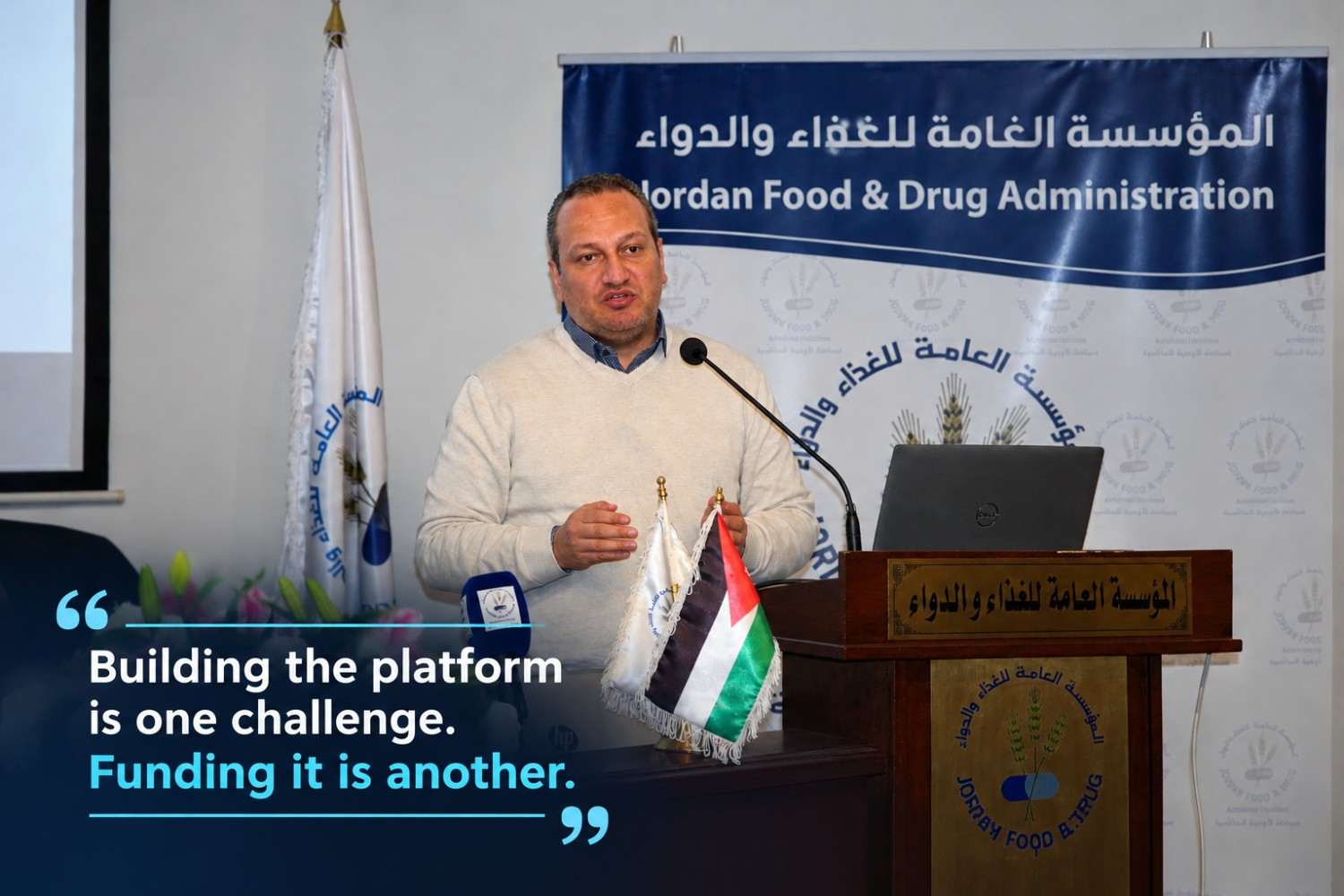
Implementing and operating a national pharmaceutical Track and Trace platform can be expensive. Beyond the initial investment, these systems require ongoing funding to support infrastructure, maintenance, operations, and continuous development.
Different countries follow different approaches to funding their national platforms.
Common models include:
1. Government-Funded Model
The government covers the costs of developing, operating, and maintaining the national platform through public budgets or dedicated government allocations.
2. Subscription-Based Model
Manufacturers and importers purchase packages based on the number of serial numbers they need to use. Once the allocated quantity is consumed, they purchase another package.
3. Transaction Value-Based Model
Funding is linked to the value of pharmaceutical invoices, with different rates potentially applied to imported and locally manufactured medicines.
4. Pay-Per-Code Model
Manufacturers and importers pay a fee for each Crypto Code or Marking Code issued by the national system.
5. Non-Profit Organization Funding
Non-profit organizations, development agencies, or international partners may support the establishment or improvement of national traceability platforms through grants, technical assistance, or capacity-building programs.
6. Public-Private Partnership (PPP)
A private-sector operator develops or operates the platform under an agreement with the government, with responsibilities, costs, and revenue arrangements defined by the contract.
7. Hybrid Funding Model
The national platform combines multiple funding sources, such as government allocations, industry fees, code issuance charges, or external grants.
These models illustrate how countries can approach the funding of their national pharmaceutical Track and Trace platforms, depending on their regulatory frameworks and implementation strategies.
#PharmaceuticalTrackAndTrace #PharmaceuticalSupplyChain #Traceability #DigitalHealth