World Health Organization( #WHO) published a report titled "Country experiences on implementation of traceability for medical products" (March 2025).
One figure in it asks countries a direct question: what Challenges/obstacles observed or anticipated to achieve traceability of medical
products
Look at the bottom of that list. Opposition scored the lowest of everything.
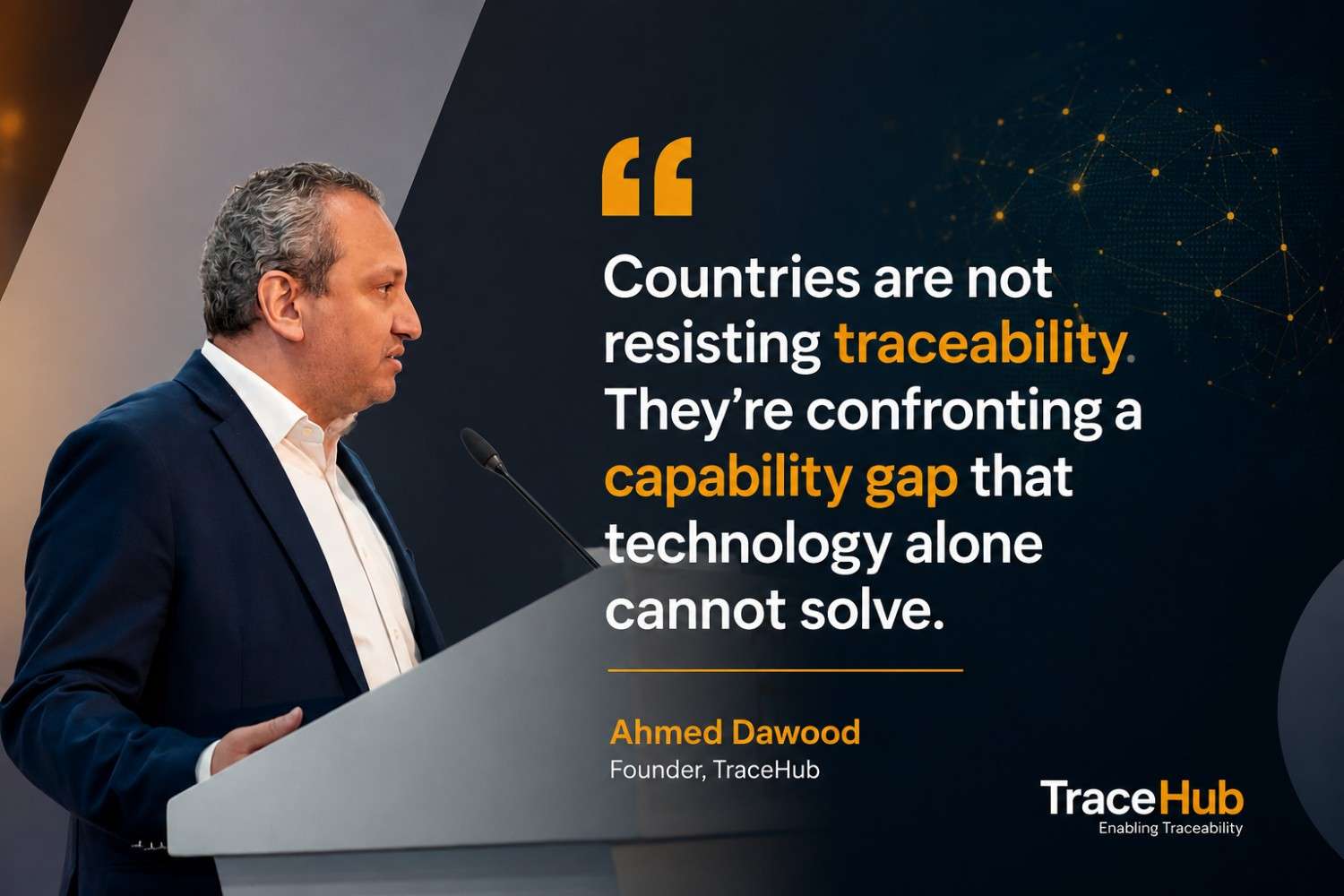
That single number changes the whole conversation. Countries are not resisting traceability. Nobody is fighting it.
knowing which technology fits, having the technical knowledge to run it, and getting an entire supply chain aware enough to participate.
The intent is there. The know-how is not.
This is the exact gap we built TraceHub to close.
TraceHub Advisory exists because technology and technical knowledge ranked first and second. Vendor-neutral support on requirements, regulatory frameworks, tender scope, solution evaluation, and implementation readiness.
No product to sell you, so no bias in the recommendation.
TraceHub Traceability Adoption Accelerator exists because the hardest part comes after the system goes live. A structured program to move stakeholders from identified, to aware, to technically ready, to genuinely compliant, with the real reasons behind non-adoption identified and addressed instead of another round of generic training.
TraceHub community exists because awareness ranked as a top blocker.
Webinars, roundtables, quarterly reports, and open discussion between
regulators, manufacturers, distributors, and solution providers. Knowledge
that used to sit inside a handful of vendor teams is now available to anyone
implementing a national program.
Traceability programs do not fail because countries do not want them. They stall because the knowledge is not where the decision is being made.
TraceHub working to change that.
Contact us TraceHub for more details
#TrackAndTrace #Serialization #PharmaceuticalTraceability #GS1 #EPCIS
#PatientSafety #TraceHub